Watercolor Wildflower Borders: A Designer's Natural Touch
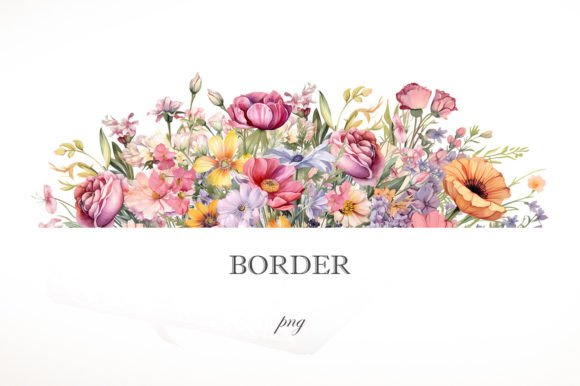
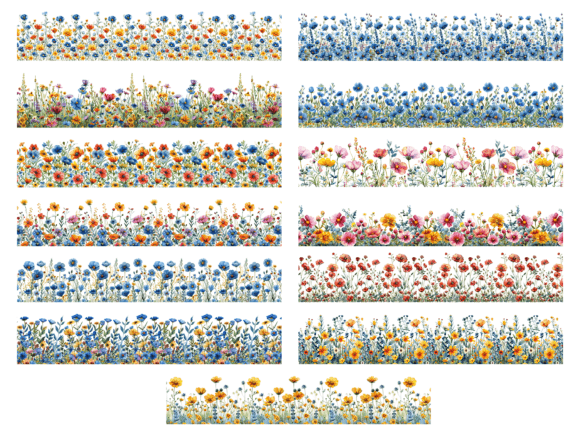
Elevating a design from functional to truly memorable often hinges on the subtle, organic details that frame the core message. A thoughtfully chosen border can guide the viewer's eye, establish mood, and inject a layer of sophisticated artistry. This is precisely where high-quality Watercolor Wildflower Borders Clipart becomes an invaluable asset in a designer's toolkit, offering a blend of natural elegance and versatile application.
The Visual Language of Watercolor Florals
In modern graphic design, authenticity and emotional resonance are key. Hand-painted watercolor elements, like wildflower borders, convey warmth, craftsmanship, and a connection to nature. They soften digital interfaces, add tactile appeal to print materials, and create an immediate sense of organic beauty. Unlike rigid geometric patterns, these borders introduce gentle asymmetry and fluid color transitions, which can enhance visual hierarchy and draw attention to central content without overwhelming it. This style aligns perfectly with contemporary design trends that favor organic textures, muted color palettes, and modern aesthetics rooted in naturalism.
Practical Applications Across Creative Projects
The versatility of a well-crafted wildflower border collection allows for seamless integration into a wide array of projects, enhancing both digital and physical outputs.
- Brand Identity & Logo Design: Use delicate floral accents to frame a monogram, underline a logotype, or as a secondary brand pattern. This is particularly effective for businesses in wellness, beauty, artisanal goods, or eco-friendly sectors, helping to build a brand identity that feels approachable and refined.
- Marketing & Social Media Graphics: Transform standard social media posts, story templates, and digital ads. A wildflower border can frame a promotional message, highlight a testimonial in a carousel, or add seasonal flair to campaign visuals, significantly boosting user engagement through aesthetic appeal.
- Editorial & Web Design: In editorial design, these borders can elegantly separate articles, accentuate pull quotes, or decorate chapter headings. For web design and UI design, they serve as beautiful hero section decorations, section dividers, or accent graphics for blog headers and email templates.
- Packaging & Print Design: Apply them to product labels, gift wrap patterns, thank you cards, or wedding stationery. The high-resolution 300 DPI files ensure crisp reproduction for print design and packaging design, adding a premium, handcrafted feel to the unboxing experience.
Integrating Assets Effectively: A Designer's Guide
To maximize the impact of any creative asset, strategic selection and application are crucial. Consider the following when working with floral borders:
- Ensure Cohesion with Your Color Palette: While the clipart comes with a white background, assess the watercolor tones. Do they complement your existing color palette? A slight color adjustment in post-production can create perfect harmony with your brand's primary and secondary hues.
- Respect Visual Hierarchy: Borders should enhance, not compete. Use them to frame key information or create a contained space for text. Their organic nature naturally supports a clear visual hierarchy by providing a gentle boundary.
- Test for Scalability & Readability: Always check how the asset performs at different sizes. Ensure that the delicate details of the wildflowers remain clear in both digital thumbnails and larger print formats. Crucially, verify that overlaid text maintains optimal readability against the border's background.
- Maintain Consistency: For a cohesive professional presentation across multiple touchpoints—like a website, social media, and print collateral—use the border style consistently. This builds a recognizable visual language that strengthens brand recall.
Ultimately, the thoughtful incorporation of quality creative assets like watercolor wildflower borders is a hallmark of skilled design. It demonstrates an understanding that effective visual communication is built on layers of considered detail. By choosing elements that are both beautiful and functional, designers and creators can elevate their work, craft more immersive user experiences, and communicate a brand's story with greater depth and elegance.