Watercolor Cat Sublimation: A Designer's Guide to Artistic Assets
Capturing the delicate, flowing essence of a feline in watercolor creates an immediate emotional connection, making Watercolor Cat Sublimation a powerful tool for any designer's toolkit. This specific style of high-quality, hand-drawn sublimation art offers a unique blend of artistic authenticity and digital precision, providing a versatile asset for a wide range of creative and commercial projects. For graphic designers, marketers, and creators, understanding how to leverage such assets is key to producing work that is not only visually stunning but also strategically effective.
What is Watercolor Cat Sublimation?
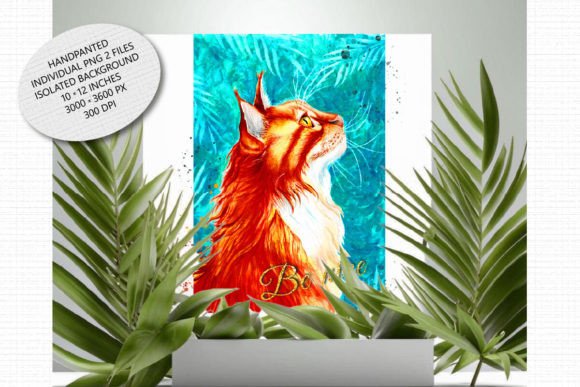
At its core, Watercolor Cat Sublimation refers to a digital design file—typically a PNG with a transparent background—that features a cat illustration rendered in a watercolor style. The "sublimation" aspect indicates its primary use: transferring the design onto physical surfaces like fabric, mugs, or paper using heat and pressure. However, its utility extends far beyond this single application. The value lies in its high resolution (e.g., 3000 x 3600 pixels at 300 DPI) and the transparent background, which allows for seamless integration into any design without cumbersome background removal.
The Role in Modern Visual Design
In a digital landscape saturated with sharp vectors and photorealism, the organic, textured feel of watercolor provides a compelling contrast. It introduces warmth, personality, and a handcrafted aesthetic that can significantly strengthen a brand's identity. This style is particularly effective for brands aiming to communicate creativity, gentleness, artisanal quality, or a connection to nature. It helps in building a visual hierarchy where the artistic element draws the eye and conveys a specific mood or message instantly.
Practical Applications for Designers and Creators
The true power of a quality asset like a Watercolor Cat Sublimation design is its cross-functional adaptability. It can serve as a central motif or a subtle accent across numerous projects, ensuring brand consistency while allowing for creative flexibility. Its applications span both digital and physical realms, making it a cornerstone for a cohesive design workflow.
- Branding and Logo Design: Use the illustration as the primary logo mark for pet-related businesses, cafes, or creative studios. It can also serve as a secondary brand element, like a mascot or icon, to add personality to stationery and digital assets.
- Marketing and Social Media: Create eye-catching social media graphics, blog post featured images, or newsletter headers. The unique style boosts engagement and makes content more shareable, enhancing digital marketing efforts.
- Web and UI Design: Integrate the illustration into website hero sections, about pages, or custom icons. It can soften a user interface and contribute to a memorable user experience (UX) without compromising readability.
- Packaging and Merchandise: This is where sublimation shines. Apply the design to product packaging, tote bags, apparel, stickers, or home decor items. It transforms ordinary products into desirable merchandise with a distinct aesthetic.
- Print and Editorial Design: Enhance wedding invitations, greeting cards, planner inserts, magazine layouts, or book covers. The artistic quality elevates the perceived value of any printed piece.
Tips for Selecting and Using Design Assets Effectively
Not all creative assets are created equal. To ensure a professional result, evaluate resources like this with a critical eye. Consider the following factors to make informed choices that align with your design goals and audience expectations.
- Quality and Scalability: Always check the resolution and DPI. A high-resolution PNG ensures your design remains crisp when scaled for large prints or detailed applications. This is crucial for maintaining a polished, professional presentation.
- Color and Style Consistency: Does the asset's color palette and artistic style align with your existing brand identity or the project's mood? A watercolor cat might clash with a minimalist tech brand but be perfect for a boutique publisher. Test how it interacts with your chosen typography and other visual elements.
- File Format and Usability: A transparent PNG is incredibly versatile. Understand its limitations—it's a raster image, not a vector SVG, so it cannot be infinitely scaled without loss of quality or used as a cutting file for machines like Cricut. Use it for projects where its specific resolution is sufficient.
Thoughtful design is about more than just decoration; it's about strategic communication. Selecting high-quality, versatile assets like a hand-drawn watercolor illustration allows you to build a richer visual language, create more engaging user experiences, and develop a brand identity that feels both authentic and professionally crafted. By integrating such elements wisely, you ensure that every creative project not only looks beautiful but also communicates its intended message with clarity and impact.